

Eye Disease Management in Austin, TX
Eye disease can develop even when your vision seems clear. At Today's Vision, our optometrist examines your eye health, monitors changes, and explains the next steps for glaucoma, diabetic eye conditions, macular degeneration, and cataract-related concerns. Your care may include medical management within our optometrist's scope or referral to an ophthalmologist for specialist treatment or surgery.
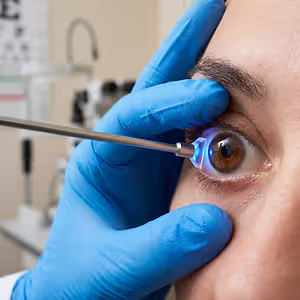
Glaucoma Can Affect Vision Before Symptoms Appear
Glaucoma damages the optic nerve, which carries visual information to your brain. It often develops without early symptoms and can gradually reduce side vision.
Our optometrist evaluates eye pressure and optic nerve health, with additional testing as needed, and monitors changes over time. Glaucoma care may include prescription eye drops to lower pressure when appropriate. Monitoring checks whether the condition is stable; it does not replace treatment when treatment is needed.
A referral may be necessary if the diagnosis is uncertain, damage progresses, or laser treatment or surgery needs consideration.
Diabetes Can Affect Your Eyes Even When Your Vision Seems Normal
Diabetes can damage small blood vessels in the retina, the light-sensitive tissue at the back of your eye. Early changes may cause no noticeable symptoms.
Our optometrist examines your eyes for diabetes-related changes, including a dilated retinal examination when appropriate, and recommends follow-up based on the findings. Eye care works alongside the care provided by the clinician managing your diabetes.
Bleeding, swelling, or vision-threatening changes may require an ophthalmologist or retina specialist. Treatments such as eye injections, laser procedures, or surgery are specialist care, rather than monitoring provided at a routine follow-up visit.
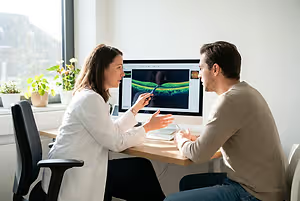

Macular Degeneration Can Make Reading & Recognizing Faces Difficult
Age-related macular degeneration affects the part of your retina you use to read, recognize faces, and see fine detail. Dry and wet forms need different care.
Our optometrist looks for signs of macular changes, monitors your central vision, and explains follow-up and any recommended home checks. Monitoring tracks changes; it does not reverse damage.
If we suspect wet macular degeneration or new central vision changes, we may refer you promptly to a retina specialist for assessment and possible treatment, such as eye injections. Assess new wavy lines, a central dark spot, or sudden blur promptly rather than waiting for your next scheduled visit.
Cataracts Can Cause Blurry Vision, Glare & Difficulty Driving at Night
A cataract clouds your eye's natural lens. It can cause blurry vision, faded colors, glare, or difficulty driving at night.
Our optometrist assesses how cataracts affect your vision and daily activities and monitors changes. Updated glasses may help for a time, but they do not remove a cataract.
When vision affects activities you need or enjoy, we can refer you to an ophthalmologist for a surgical evaluation. A surgeon performs cataract surgery, not during a monitoring visit. Our optometrist can help coordinate care before and after surgery as arranged with your surgeon.
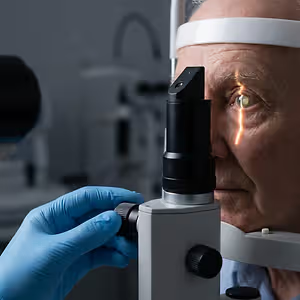
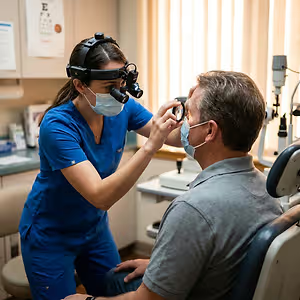
What Monitoring and Treatment Each Do
Monitoring means checking your eye health over time and comparing examination findings or test results. It helps your optometrist decide whether a condition is stable, whether you need closer follow-up, or whether your care plan should change.
Medical treatment uses measures such as prescription medication to manage a condition. Some treatments, including retinal injections and laser procedures, require specialist care. Surgery is performed by an ophthalmologist. A monitoring visit does not itself provide these treatments, and monitoring may continue alongside treatment.
Our role is to explain your findings, provide care within our optometrist's scope, and recommend specialist care when your needs go beyond it. We may need to refer you for an unclear diagnosis, worsening disease, or treatment or surgery that requires a specialist.
Arrange an Eye Disease Evaluation in Austin
Known eye conditions and vision changes deserve appropriate attention. An eye examination can help establish your current eye health and identify the next steps in your care.
Eye Disease and Follow-Up Questions
Can Eye Disease Develop Without Symptoms?
Yes. Glaucoma and diabetes-related retinal changes can begin before you notice a change in vision. An eye health examination looks for signs that a glasses prescription check alone may not reveal.
How Often Will I Need Follow-Up Visits?
Your schedule depends on your diagnosis, risk factors, test results, and any treatment you receive. Some people need closer checks than others. Follow the interval your eye doctor recommends, even if your vision feels unchanged.
What Happens at a Monitoring Visit?
Your optometrist reviews symptoms, medications, and relevant health changes, examines your eyes, and compares findings with earlier visits. Testing may include eye pressure checks, dilation, or other tests chosen for your condition. Bring your medication list and records from other eye care providers.
Does a Referral Mean I Stop Coming Here?
Not necessarily. Your specialist may provide treatment while our optometrist continues appropriate monitoring or other eye care. Ask which provider will handle each part of your care and when to return to each office.
Which Changes Should Not Wait for Follow-Up?
Seek prompt eye care for new wavy lines or central blur. Seek immediate assessment for sudden vision loss, severe eye pain, or new flashes and floaters with a curtain or shadow across your vision. If you cannot reach an eye care provider promptly, seek emergency care rather than leaving a message or waiting for a routine appointment.