
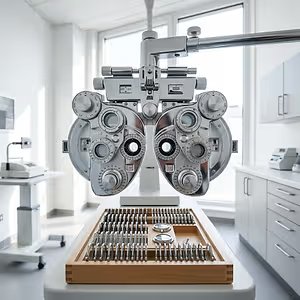
Comprehensive Eye Exams in Austin, TX
Today's Vision Gateway provides comprehensive eye exams for adults and children at our Austin office. Your appointment is also a chance to discuss symptoms, health changes, or difficulties with everyday activities.

Your Eye Exam Checks More Than Your Glasses Prescription
Vision changes can be gradual. You may find yourself holding reading material farther away, struggling with road signs, or noticing more eye strain after a workday.
Checking your prescription, also called refraction, determines which lenses help you see clearly. It can identify nearsightedness, farsightedness, astigmatism, and age-related changes in near focusing.
Evaluating eye health means examining your eyes' structures for signs of disease, including cataracts, glaucoma, and retinal conditions. Clear vision or an unchanged prescription does not rule out an eye health problem. A prescription check alone does not replace a comprehensive eye exam.
Your Vision Needs Change as You Get Older
Your eyes change naturally throughout life. Children may develop nearsightedness as they grow, while adults often find close-up tasks more difficult in their 40s.
This age-related change in near focusing is called presbyopia. It occurs as the eye's natural lens becomes less flexible, making it harder to focus on nearby objects.
However, changes in vision aren't always caused by aging. An exam can help identify the cause of your symptoms and determine whether prescription lenses or additional care may be appropriate.

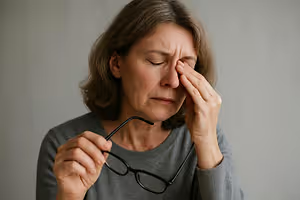
Signs It May Be Time to Schedule an Eye Exam
Consider scheduling a comprehensive eye exam if you notice:
-
Blurry vision when reading or looking at distant objects
-
Frequent headaches or eye strain, especially after screen use
-
Difficulty seeing clearly while driving at night
-
Increased sensitivity to light or glare
-
Double vision or trouble focusing
-
Frequent squinting to see clearly
-
Changes in your ability to read small print
-
Persistent eye redness, dryness, or irritation
Sudden vision loss, new flashes of light, a sudden increase in floaters, or severe eye pain require urgent medical attention rather than a routine appointment.
How Often Should You Have an Eye Exam?
There is no single schedule that suits everyone. Routine exams are often recommended every one to two years for adults, with annual visits commonly advised for older adults. Children need age-appropriate exams as their vision develops; a school vision screening doesn't replace a comprehensive eye exam. Your eye doctor will recommend an interval based on your age, health, and findings.
You may need annual or more frequent visits if you have:
- Diabetes, high blood pressure, or another health condition that can affect your eyes.
- A personal or family history of glaucoma or other eye disease.
- A changing prescription, new symptoms, or an eye condition that needs monitoring.
- Contact lenses or medications that require monitoring of eye health.
Follow your doctor's recommended schedule even if your vision seems unchanged. Do not wait for a routine appointment if you develop new symptoms. Sudden vision loss, a sudden increase in flashes or floaters, or a curtain or shadow across your vision needs urgent evaluation.
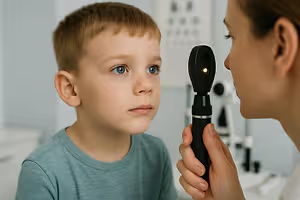

Schedule Your Next Eye Exam in Austin
Your eyes can be healthy even when your prescription changes, and your vision can seem clear even when an eye condition is developing. A comprehensive exam helps establish a more complete picture.
Visit Today's Vision Gateway in Austin for your next eye examination.