

Contact Lens Exams and Fittings in Austin, TX
Today's Vision Gateway provides contact lens evaluations for first-time wearers, patients updating their prescriptions, and people who have experienced discomfort with their current lenses.
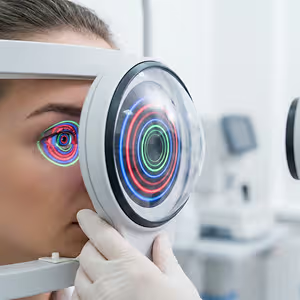
A Contact Lens Exam Includes Measurements Beyond a Routine Eye Exam
Your glasses prescription isn't enough to determine which contact lenses will work for you. Contacts rest directly on your eyes, so the lens size, curvature, and material all affect how well they fit and how comfortable they feel.
A contact lens exam evaluates your vision, corneal shape, and eye health to help determine which lenses are appropriate. Even if you've worn contacts for years, changes in your eyes may affect the prescription or lens design you need.
We Help You find contact Lenses That Fit Comfortably and Correct Your Vision
Clear vision is important, but a contact lens also needs to sit properly on your eye. A poorly fitting lens can cause irritation, unstable vision, or discomfort during wear.
Your optometrist assesses how the lenses fit and move when you blink, along with the clarity of your vision. Your optometrist may use trial lenses to evaluate different options, and you may need adjustments or follow-up visits before finalizing your prescription.


Learn to Wear and Care for Contact Lenses with Confidence
Contact lenses can take some practice, especially if you're wearing them for the first time. Proper handling protects your eyes and makes daily lens wear easier.
Your fitting may include instruction on inserting and removing contacts, cleaning and storing reusable lenses, and following the recommended wearing schedule. You'll also learn why hand hygiene, timely lens replacement, and keeping lenses away from water are important.
These habits help reduce the risk of infections and other contact lens complications.
Dryness or Irritation May Be a Sign Your Lenses Need Reassessment
Contacts that once felt comfortable can become irritating over time. Dry eye, prescription changes, lens deposits, or an unsuitable fit may cause discomfort.
A contact lens evaluation can help identify possible causes and determine if a different lens material, replacement schedule, or fitting approach may be appropriate.
Patients with irregular corneas or more complex fitting needs may also benefit from specialty contact lenses, including scleral or rigid gas permeable lenses.

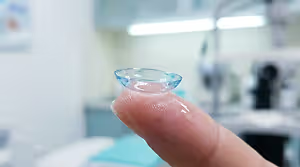
Schedule a Contact Lens Exam at Our Gateway Office
A current contact lens prescription and appropriate fit can make everyday wear more comfortable and help protect your eye health.